Prepare a Fairing Condition Brief Before Selling Your Motorcycle
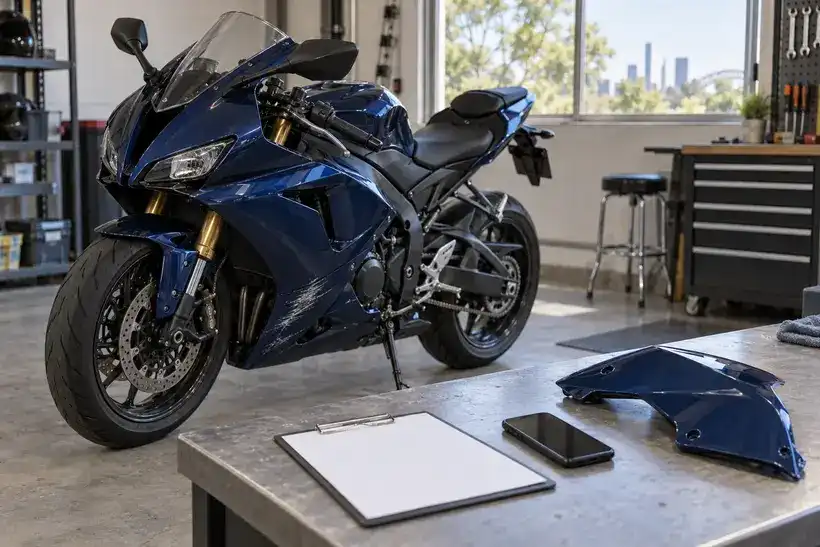
Before spending on fairings for a motorcycle you intend to sell, prepare a clear account of the bodywork already on the bike. Current photographs, an accurate model description and an itemised scope of proposed work can make the decision easier to discuss. A striking replacement design is a separate choice from understanding the motorcycle's condition.
Start with the question you need answered. You may want to repair existing panels, compare replacement options or explore selling the bike in its present state. A short condition brief gives a repairer, supplier or prospective buyer useful information without pretending that photographs alone establish safety, compatibility or value.
Choose the next conversation before choosing a kit
If you no longer want to manage bodywork repairs, an enquiry to a we buy motorcycles service can be one route to investigate before ordering parts. Describe the actual bike, its known condition and the work already assessed. Ask the buyer directly what information is required and whether the motorcycle fits its current buying criteria.
If you prefer to complete some work first, give the repairer a defined task. Ask for an assessment and a proposed scope rather than a general instruction to make the motorcycle look ready for sale. That keeps a cosmetic preference from becoming an open-ended repair project.
Keep these conversations separate in your notes. A supplier can explain its product listing. A repairer can assess the motorcycle and proposed work. A buyer can explain the basis and conditions of an offer. An answer from one does not automatically settle the questions handled by the others.
Photograph the present condition in a useful order
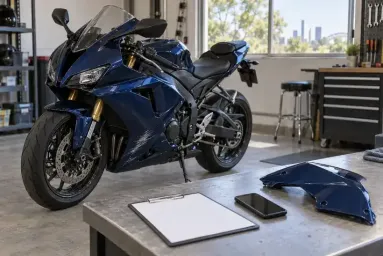
Begin with photographs of the whole motorcycle from both sides, the front and the rear. Follow those with closer views of the areas you want discussed. A close-up of a scratch is easier to interpret when another image shows where that panel sits on the bike.
Use plain file names that describe location, such as left-side-overview or right-lower-panel-detail. Keep the original files and note the date of the photographs. If the motorcycle's condition changes later, add a new set rather than replacing the earlier record without explanation.
The documentation ideas in this fairing damage evidence guide provide useful context for connecting overview photographs, details and written assessments. For a sale brief, keep the focus on the motorcycle's actual condition and the work under consideration.
Photograph accessible details without pulling at damaged parts or dismantling the bike for a better view. If an area cannot be seen safely, mark it as not photographed and ask the repairer how it should be assessed. A missing photograph is more honest than a confident guess about a hidden mounting point.
Do not use a product photograph as evidence of what is fitted to your motorcycle. Supplier images can help identify a proposed purchase, but your condition record should show the actual bike and parts.
Record the motorcycle and its existing bodywork
Put the make, full model description and model year at the top of the brief, using the records available to you. If different documents appear to disagree, flag the discrepancy for clarification. Do not choose whichever description produces the most convenient search result.
Note known changes to the bodywork and related equipment. These might include an earlier replacement panel, a different screen or a previous owner's modification. Describe only what you know. If the origin of a panel is uncertain, say that rather than calling it original or aftermarket from appearance alone.
Keep loose parts separate from fitted parts in the record. A replacement panel stored in the garage is not part of the bike's fitted condition. If it will be included in a sale, list it as a loose item with its known identity and any supporting purchase record.
Useful brief fields include:
- Motorcycle identity and the records used to establish it.
- Current photographs and their dates.
- The side and location of each area being discussed.
- Fitted panels with known replacement history.
- Loose components intended to be included.
- Existing professional findings or estimates.
- Questions that still require assessment.
This information can be kept on one page with attachments. The goal is a document another person can follow, not a large file filled with repeated photographs.
Ask for findings before deciding the repair scope
A bodywork assessment should distinguish what is visible, what has been checked and what remains uncertain. Ask the repairer to describe the findings and explain which work is being proposed. A new fairing should not be treated as evidence that the whole motorcycle is safe or ready to ride.
You can ask practical questions without attempting your own diagnosis:
- Which components have actually been assessed?
- Is the proposed work repair, replacement, refinishing or further investigation?
- Which findings are confirmed, and which are provisional?
- What work is outside this estimate?
- What further decision might be needed once the bike is examined more closely?
Keep the answers with the estimate. If the repairer revises the proposal, retain both versions and a short note explaining what changed. That chronology can be useful when preparing a later sale description.
Avoid describing damage as cosmetic only unless a suitable assessment supports that wording. From an owner's point of view, it is enough to describe the marks you can see and supply the professional record you have received. Hidden condition should remain an assessment question.
Compare the proposed job with the exact product
A panel price, a complete kit listing and an installed repair estimate may cover different things. Before comparing them, identify the scope of each. Ask what is supplied, what is reused and what work is needed separately.
The site's guide to choosing motorcycle fairing kits can help you prepare supplier questions. Use the exact listing and your motorcycle's confirmed details when seeking an answer, rather than assuming that a similar-looking bike uses the same parts.
This guide to choosing fairings by the repair goal also illustrates why the product reference and included pieces need to be checked together. Its catalogue examples are specific to that seller; obtain confirmation for the actual product you are considering.
Save the listing title, product reference and stated compatibility alongside the supplier's reply. Ask about the exact option shown in your enquiry. If the answer is broad or does not address your bike's known changes, ask for clarification before treating compatibility as settled.
Check the scope of the proposed package:
- Which outer panels are included?
- Are any inner pieces or associated trim supplied separately?
- Which existing components are expected to be retained?
- What finishing or installation work is excluded?
- Are there questions that must be resolved by the repairer first?
- What timing and return conditions apply to the selected option?
These questions do not establish what every kit contains. They help you obtain a specific answer for one purchase.
Keep hardware and finishing questions visible
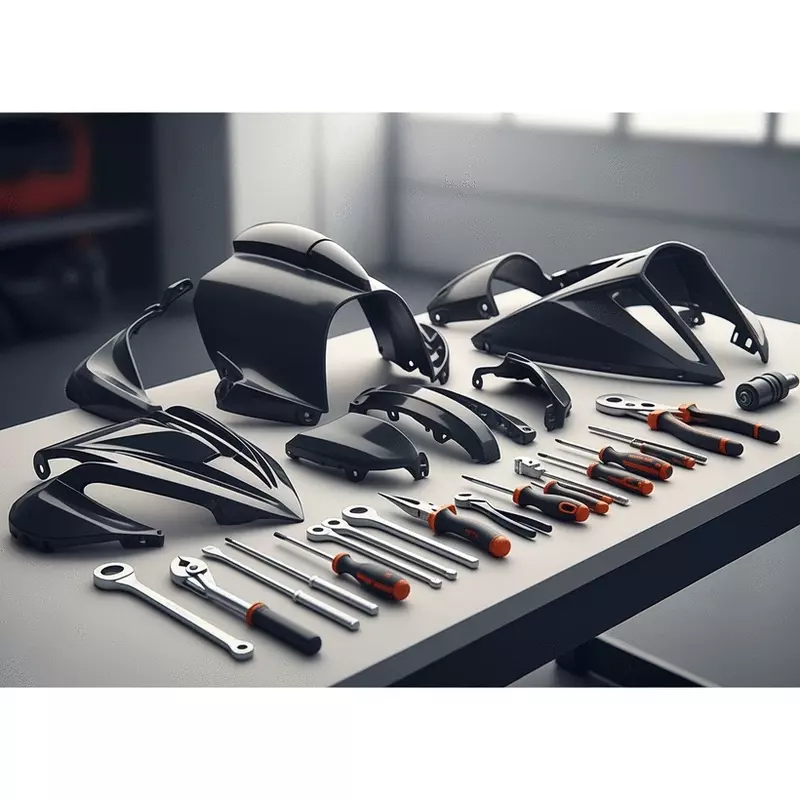
Small items can be easy to overlook when a product photograph emphasises painted panels. Ask the repairer and supplier to clarify the hardware needed for the proposed job. Keep any unidentified loose hardware labelled as uncertain rather than presenting it as a complete fitting set.
The site's article on motorcycle fairing fasteners provides context for that conversation. Follow the relevant product information and professional assessment for actual selection and installation.
Also distinguish a supplied finish from work needed to match or refinish other pieces. If you are comparing a panel replacement with a broader visual change, record that difference. A new colour scheme is an elective choice, and its cost should not silently become part of a necessary-repair estimate.
Do not assume that a more expensive or more dramatic design will increase the eventual sale price. Choose a scope you can justify from the assessment and your purpose. Any buyer response remains something to establish through the actual sale process.
Include the practical steps around the work
Ask about assessment timing, product availability and workshop scheduling before making commitments. A part order and an installation booking may have separate conditions. Record which steps are confirmed and which depend on earlier findings.
If the motorcycle needs to be moved, give the transport provider an accurate description of its current condition. The site's guide to motorcycle transport in Melbourne can help you prepare the conversation. Let the actual provider determine the equipment and loading arrangements required.
Explain whether loose panels or boxed components are part of the collection. Ask how those items should be prepared and whether they are covered by the proposed service. Do not assume a booking for an assembled motorcycle includes every spare item stored beside it.
Keep the timing realistic for your own decision. If you no longer want to manage parts sourcing and workshop visits, record that as a reason to consider another route. Personal time and project appetite belong in the comparison even when they cannot be reduced to a quoted repair line.
A fictional brief that improves the decision
Imagine an owner preparing to sell a sport motorcycle with scuffed side bodywork and a loose replacement panel supplied by an earlier owner. Their first plan is to order a complete kit because a product photograph looks similar to the bike.
The brief changes the next step. The owner photographs the fitted bodywork, lists the loose panel separately and supplies the motorcycle's records to a repairer. The assessment identifies what has been checked and sets out proposed work, while the supplier is asked about one exact listing and its contents.
The owner can now compare a defined bodywork job with a current-condition sale enquiry. Neither path depends on treating the loose panel as confirmed compatible or assuming the visible scuff is the full extent of the concern.
No particular sale result is implied by this example. The improvement is that each conversation now has the information and boundaries it needs.
Keep the final description aligned with the records
If work goes ahead, retain the invoice, the product details and any completion notes. Describe what was done, when it was done and what remains outside the assessment. Keep proposed work separate from completed work.
If you sell in the current condition, provide the relevant findings and explain any unassessed areas. Include loose components only as agreed, with their status clearly described. A purchase receipt can support the history of a part without proving it was fitted or suitable.
Finish the brief with a short, factual summary of the motorcycle as it stands. Good bodywork documentation connects photographs, findings and proposed parts. It helps you choose the next step without allowing appearance to answer questions that still need assessment.