Describe Your Motorcycle's Replacement Bodywork Before a Sale
A motorcycle can wear panels from several sources without that history being obvious in a photograph. Some may be documented replacement parts, others may belong to an aftermarket set, and an earlier owner's changes may remain unexplained. Before describing the bodywork for a sale, separate what you can establish from what merely looks familiar.
Make a panel record based on the motorcycle as it is now. Connect each useful document and photograph to the area it describes, and keep uncertain origins visible. You can give a prospective buyer a clear account without claiming that every panel is original, factory-made or part of a matching set.
Start the sale conversation with a specific description
When selling motorcycle projects with replacement bodywork, explain the current panels and any replacement history you know. Include the available records and say which details remain uncertain. Confirm the buyer's requirements directly instead of assuming that a particular source, finish or fairing type determines its assessment.
Use the same description in a private advertisement or a direct buyer conversation. A photograph of familiar graphics should not become the basis for a claim that the fairings are original. If you later identify an uncertain panel, update the relevant wording and keep the supporting information with the record.
The first task is classification, not judgement. Documented aftermarket bodywork can be described clearly, and unknown-origin bodywork can be described honestly. Avoid treating either label as a complete assessment of the motorcycle's condition or suitability.
Classify the evidence panel by panel
Begin with three working categories: documented OEM origin, documented aftermarket origin and origin not established. Use them as evidence labels rather than conclusions reached from colour, shape or a seller's casual description.
For a documented item, note the source of the identification and what connects it to the fitted panel. That might involve relevant purchase records, manufacturer information or a specific professional identification. Keep the scope of that evidence clear.
Where the evidence is incomplete, use a narrower description. A receipt for a complete kit may establish what was purchased, but you may still need to explain whether the currently fitted panels are the same items. A loose panel in storage may have different history from the panel on the motorcycle.
Do not force all the bodywork into one category. A replacement left panel, a retained upper cowl and a later tail section can have different records. A mixed history is easier to understand when the differences are shown rather than concealed inside the phrase full fairing kit.
Keep each reference in its proper role
Record visible references exactly, including where they appear and which characters are unclear. Keep a photograph beside the transcription. Do not guess a missing digit or assume that every moulded marking is an orderable part number.
A manufacturer reference, a seller's stock code and a mark on the plastic can serve different purposes. The guide to fairing part numbers and seller SKUs explains why those references should be kept distinct. Use the relevant manufacturer or supplier to clarify what a particular reference means.
Keep the purchase listing or order confirmation with its selected options where available. It can explain the product offered by that seller at the time. It does not automatically authenticate an unidentified physical panel or settle whether it suits a modified mounting arrangement.
If a reference cannot be read safely, record that limitation. Do not scratch a surface, use an unapproved cleaner or dismantle the motorcycle solely to search for a code. Ask an appropriate specialist what further information is needed before attempting any investigation.
Create a simple map of the fitted bodywork
Use consistent names for the visible areas so your notes match your photographs. Identify the side and position rather than writing only fairing panel. If terminology is uncertain, use a clear overall photograph and a labelled reference in your private record.
For each area, record the following:
- Position on the motorcycle.
- Current appearance and photograph reference.
- Documented supplier or manufacturer, if established.
- Available product or order reference and its source.
- Known replacement date or period.
- Origin category and unresolved questions.
- Known repairs or alterations relevant to that panel.
The map should describe fitted items separately from loose spares. Keep the loose items in their own list so another person can see what is on the motorcycle and what is merely offered alongside it. A spare panel is not evidence that the bike currently wears a complete matching set.
Describe finish separately from origin
Paint, decals and familiar colour schemes explain appearance. They do not, by themselves, establish where a panel was made or whether it was fitted when the motorcycle left the factory. Keep those questions separate in the description.
If the bodywork has been repainted, wrapped or given different graphics, record what you know about that work. A dated invoice or progress photograph can support a specific account. Without those records, state that the finish history is uncertain rather than assigning a factory colour or original-paint claim from memory.
The site's discussion of aftermarket motorcycle fairing kits provides broader context for replacement bodywork. Use it to frame questions about a particular set, then describe the actual product and evidence available for your motorcycle.
Similarly, the OEM and aftermarket bodywork comparison is useful for understanding different sourcing routes. A factory-inspired appearance and documented OEM origin are different descriptions. Neither a style label nor a material claim should do the work of identifying a physical panel.
Reconstruct the replacement history without filling gaps
Arrange known changes in date order. Record whether the information comes from your own ownership, an earlier owner's account, a workshop document or a supplier record. A sequence with a few clear entries is preferable to a complete-looking history built from guesses.
Explain the known reason for a change where you have evidence. If you replaced a panel to change the colour scheme, say so. If a previous owner supplied no explanation, leave the reason unknown. Replacement bodywork alone does not establish the cause of a change or the condition of components beneath it.
If the bike has received several partial replacements, keep the stages separate. An earlier kit order and a later single-panel purchase may both be relevant. Identify what is currently fitted rather than allowing the most recent receipt to stand for the whole motorcycle.
The guide to choosing motorcycle fairing kits can help organise product questions around the exact motorcycle and bodywork configuration. For a sale record, report what is established rather than declaring interchangeability from a similar model name or year.
Keep present fit and condition visible
Origin is only one part of the buyer's question. Record known cracks, repairs, missing trim or other observed issues separately from the supplier history. Current photographs should show those details without suggesting that a tidy finish settles the underlying condition.
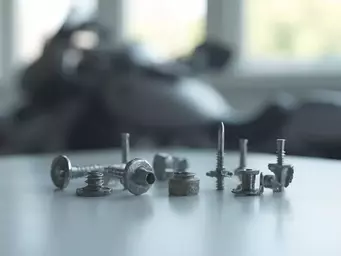
Hardware may also have changed. Keep any relevant work record or known missing-item information with the panel description. The site's article on motorcycle fairing fasteners offers context for asking about hardware, but the actual assembly needs appropriate assessment and instructions.
Avoid declaring that panels are securely fitted or road-ready from photographs alone. If there is a known concern, describe it and use suitable professional help for the actual motorcycle. A sale description should not turn an owner's visual observations into a technical inspection result.
Keep earlier photographs labelled by date. A picture from just after a replacement may differ from the motorcycle's current state. Provide current images as well so a prospective buyer can connect the history with the machine being offered today.
Use precise wording in the buyer brief
A useful brief can state that a particular panel was purchased from a named supplier, that an invoice is available and that the current fitted item is shown in a specific photograph. It can also state that another panel's origin has not been established. Those statements answer different parts of the question without overreaching.
Avoid using OEM-style, factory-look and original interchangeably. If a product was sold as aftermarket, preserve that description. If the only evidence is an earlier owner's account, identify it as an account rather than upgrading it to independent verification.
Do not promise that included older panels will return the bike to its original specification. List what is present, its documented identity and its known condition. Any proposed change back to an earlier arrangement requires its own product, condition and work assessment.
Before sharing the brief, compare it with the current photographs, advertisement and included-item list. Correct contradictions while they are easy to resolve. Keep a dated copy of the information discussed with the buyer and explain later changes directly.
A fictional motorcycle with three different records
Consider a sport motorcycle with a documented aftermarket side-panel set, an upper cowl fitted before the current owner bought it and a repainted tail section. The owner has the side-panel order, photographs of the paintwork and no reliable record for the upper cowl.
The panel map keeps those histories separate. It identifies the side-panel supplier record, labels the tail's known finish work and states that the upper cowl's origin is unconfirmed. Current photographs show the complete motorcycle and each relevant area.
The brief does not claim that the bike has a full OEM set or that every panel came from one aftermarket kit. It gives the next person enough context to ask focused questions and arrange any assessment needed. No price or buying outcome is assumed.
Let the evidence define the description
Replacement bodywork is easier to explain when each claim has a clear source. Keep origin, appearance, purchase history and present condition distinct, then connect them through a simple panel map.
Where the history stops, let the description stop too. A precise account of documented and uncertain panels gives the next owner a more useful starting point than a confident label applied to the whole motorcycle.